
Let’s be honest. A watch isn’t just something that tells time anymore. Your phone does that. Your microwave does that. Even your car does that.
So why wear a watch?
Because a watch is personal. It’s a statement. It’s a small machine—or smart device—that sits on your wrist and quietly tells the world who you are.
Let’s break it down step by step and help you choose the perfect watch for your lifestyle.
Why Your Watch Says More About You Than You Think
A Watch as a Personal Statement
Think of a watch like a handshake. Before you even say a word, it communicates something about you.
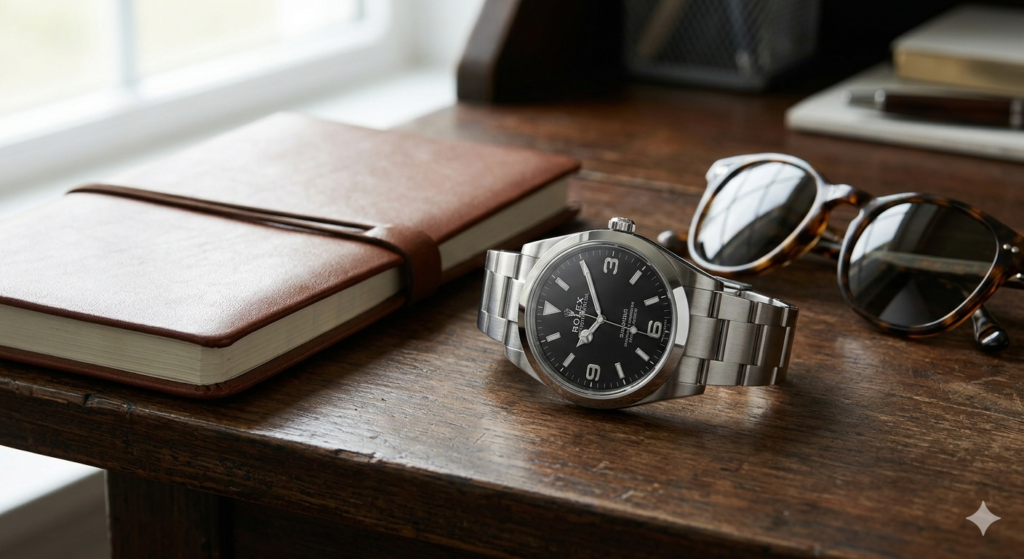
A sleek minimalist watch? You’re refined.
A rugged sports watch? You’re active and adventurous.
A bold luxury timepiece? You appreciate craftsmanship—and maybe success too.
It’s subtle. But it speaks.
Function Meets Fashion
Watches are where engineering meets art. Some are built for boardrooms. Others are designed for mountains or oceans. The key is finding one that aligns with how you actually live.
Because what’s the point of owning a diver’s watch if you never leave the office?
Understanding Different Types of Watches
Let’s explore your options.
Dress Watches
Slim. Elegant. Understated.
Perfect for formal events or professional settings. Think clean dials, leather straps, and simple designs.
Sports Watches
Built for performance. Durable materials. Extra features. Designed to take a beating.
If your weekends involve sweat, mud, or marathons, this might be your lane.
Dive Watches
Originally made for underwater use, these watches are water-resistant and rugged. Even if you don’t scuba dive, their bold aesthetic makes them popular daily wear.
Pilot Watches
Large dials. Clear numerals. High readability. Designed originally for aviation professionals, but loved for their strong, masculine look.
Smartwatches
Welcome to the digital era.
Brands like Apple Watch by Apple Inc. and Galaxy Watch by Samsung Electronics** blend technolo**
It’s like having a tiny assistant on your wrist.
Field Watches
Minimal, military-inspired, and tough
Matching a Watch to Your Lifestyle
Here’s where it gets personal.
Corporate Professionals
If you spend most of your time in meetings or formal environments, lean toward dress watches or elegant automatic pieces. Simplicity wins.
A stainless steel bracelet or leather strap works beautifully.
Fitness Enthusiasts
You need functionality. Heart rate monitoring. Step tracking. Water resistance.
A smartwatch or sports watch is your best friend.
Adventurers and Travelers
Frequent flyer? Outdoor explorer?
Look for durability, multiple time zones, GPS, and solid water resistance. Titanium cases and sapphire crystal glass are great choices.
Casual Everyday Wearers
If you just want something versatile, go for a minimalist watch that pairs well with jeans, business casual, or even a suit.
Versatility is king.
Watch Movements Explained
Now let’s talk about the heart of the watch.
Quartz Movement
Battery-powered. Extremely accurate. Low maintenance. Affordable.
If you want reliability without fuss, quartz is hard to beat.
Automatic Movement
Powered by your wrist movement. No battery required.
Automatic watches feel alive. There’s something magical about wearing a tiny mechanical engine.
Mechanical Movement
Hand-wound and traditional. These are for watch enthusiasts who appreciate craftsmanship.
Which Movement Is Best for You?
Want convenience? Go quartz.
Want craftsmanship? Go automatic or mechanical.
Want tech features? Go smartwatch.
Simple.
Choosing the Right Watch Size
Size matters. A lot.
Case Diameter
Most men’s watches range from 38mm to 44mm. Smaller wrists? Stick to 38–40mm. Larger wrists? 42mm+ works well.
Case Thickness
Dress watches are thinner. Sports watches are thicker. If it doesn’t slide under your shirt cuff, it may not suit formal wear.
Strap Width
Balance is key. A bulky strap on a small wrist looks awkward.
Try it on. Trust your mirror.
Materials Matter
Stainless Steel
Durable. Classic. Affordable. A safe bet.
Leather
Elegant and timeless. Great for dress watches.
Titanium
Lighter than steel and very strong. Ideal for active lifestyles.
Ceramic
Scratch-resistant and modern-looking.
Sapphire Crystal
Highly scratch-resistant glass. If longevity matters, this is worth it.
Watch Features You Should Consider
Water Resistance
Even if you don’t swim, basic water resistance protects against accidental splashes.
Chronograph
A stopwatch feature. Functional and visually appealing.
Date Function
Small detail. Big convenience.
GPS and Smart Features
If you rely on health tracking or navigation, smartwatches offer unmatched practicality.
Budget Considerations
Let’s talk money.
Entry-Level Watches
Affordable quartz watches offer reliability without breaking the bank.
Mid-Range Options
Automatic movements, better materials, stronger brand recognition.
Luxury Timepieces
Brands like Rolex and Omega are known for craftsmanship, heritage, and long-term value.
Luxury watches aren’t just accessories. They’re investments—and sometimes heirlooms.
Brand Reputation and Heritage
Some brands carry decades—or even centuries—of history. That history adds emotional value.
But don’t buy a brand name alone. Buy what resonates with you.
Maintenance and Longevity
Watches need care.
Automatic watches should be serviced every few years. Leather straps need occasional replacement. Smartwatches may become outdated faster than traditional watches.
Choose based on how much maintenance you’re willing to handle.
Common Mistakes to Avoid When Buying a Watch
- Buying based only on trend
- Ignoring wrist size
- Overlooking movement type
- Choosing style over comfort
- Forgetting long-term durability
Think long-term. Not impulse.
How to Build a Watch Collection
Start simple.
- One dress watch
- One everyday casual watch
- One sports or adventure watch
From there, expand based on passion, not pressure.
Final Checklist Before Buying
Ask yourself:
- Does it match my daily lifestyle?
- Is it comfortable?
- Do I love how it looks?
- Does it fit my budget?
- Will I still like it in five years?
If the answer is yes across the board—you’ve found your watch.
Conclusion
Choosing the perfect watch isn’t about chasing trends. It’s about alignment.
Your lifestyle. Your personality. Your needs.
A watch is more than metal and gears. It’s a reflection of your rhythm—how you move through the world.
So take your time. Try a few. Feel the weight on your wrist. When it feels right, you’ll know.
Because the perfect watch doesn’t just tell time.
It tells your story.
FAQs
1. What type of watch is best for everyday use?
A versatile stainless steel or minimalist watch works best for daily wear. It pairs well with both casual and business attire.
2. Are automatic watches better than quartz?
Not necessarily. Automatic watches offer craftsmanship and tradition, while quartz watches provide accuracy and low maintenance.
3. How much should I spend on my first watch?
It depends on your budget. Start with something affordable but durable. You can always upgrade later.
4. Do luxury watches hold their value?
Some brands, like Rolex, often retain or increase in value, but not all luxury watches are guaranteed investments.
5. How do I know if a watch fits my wrist properly?
The case should not extend beyond your wrist edges, and it should feel secure without being too tight.