
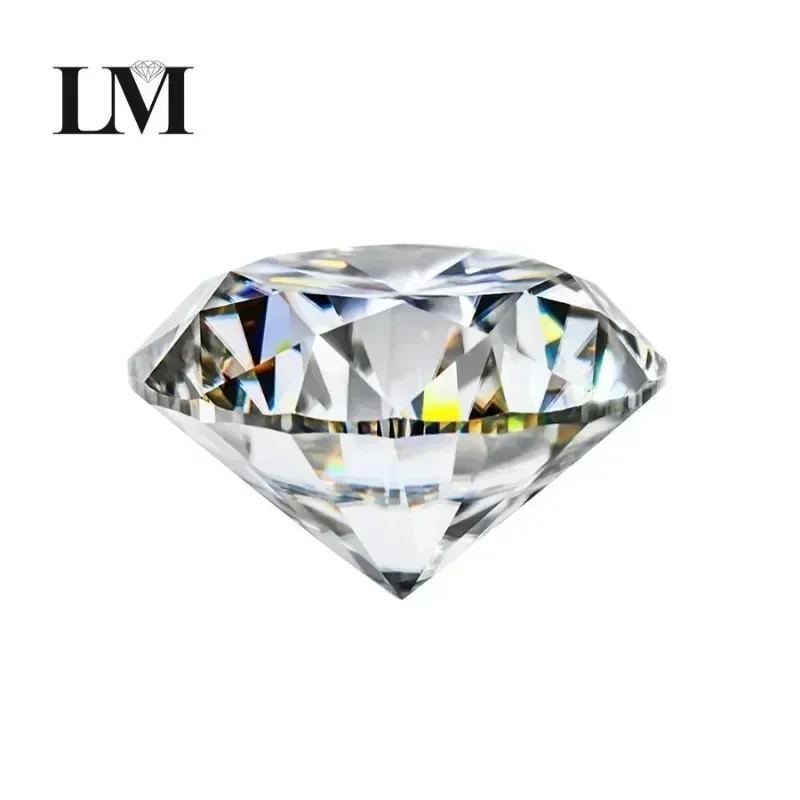
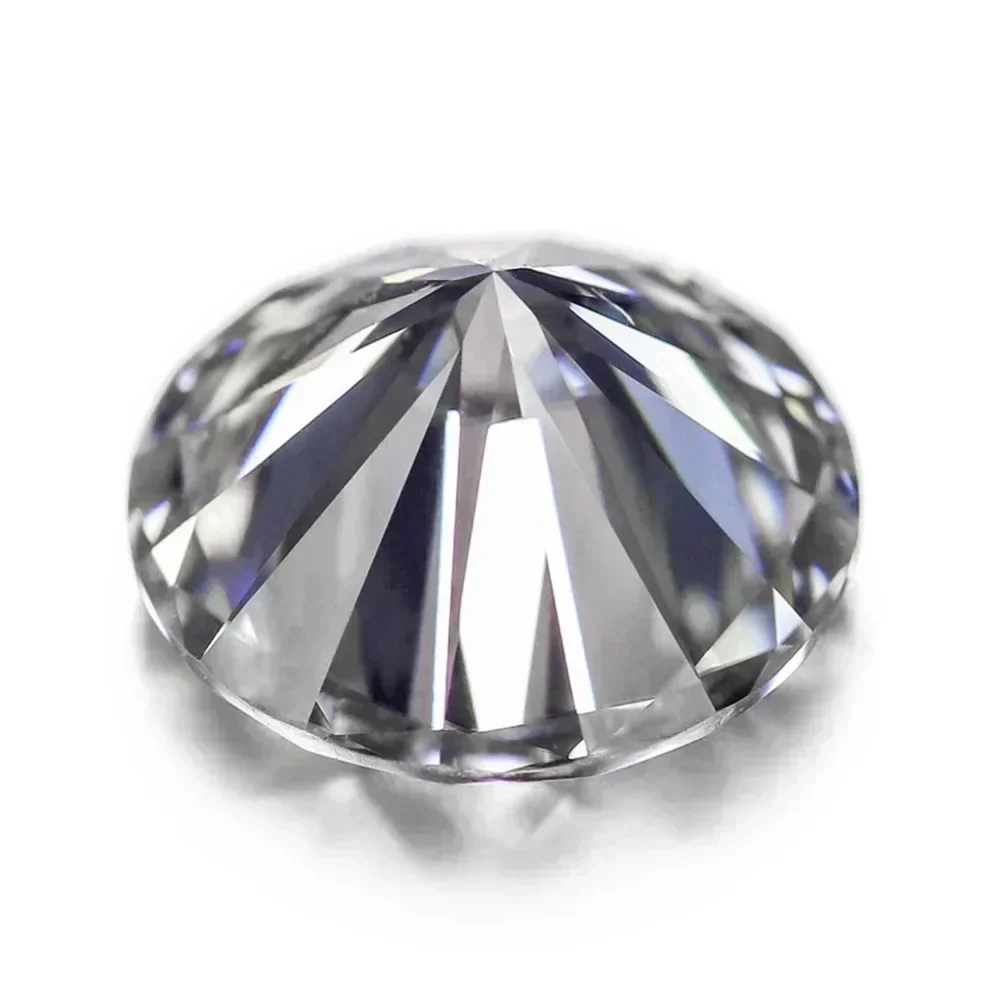
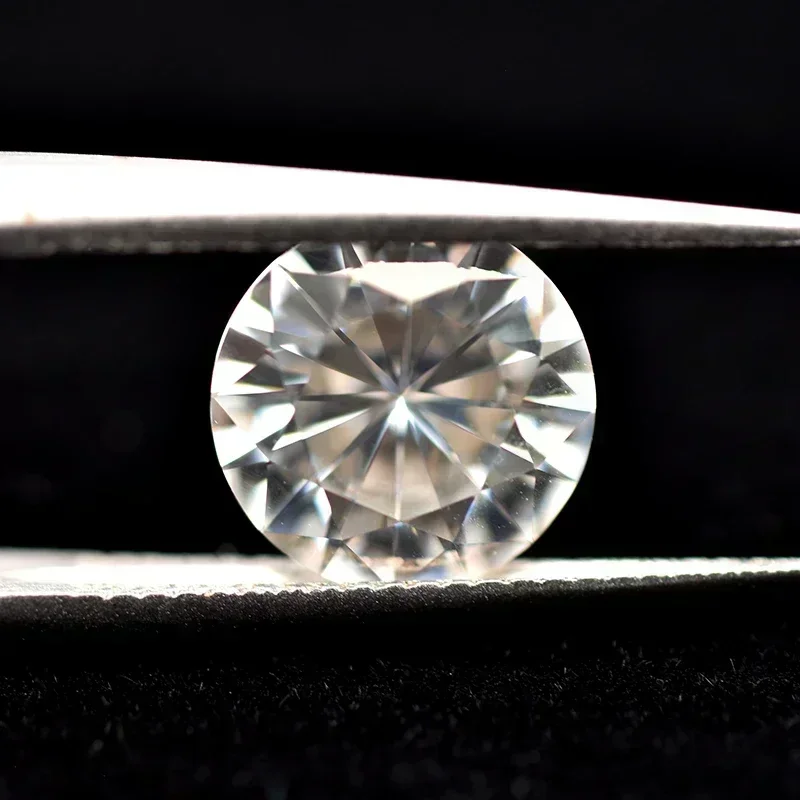
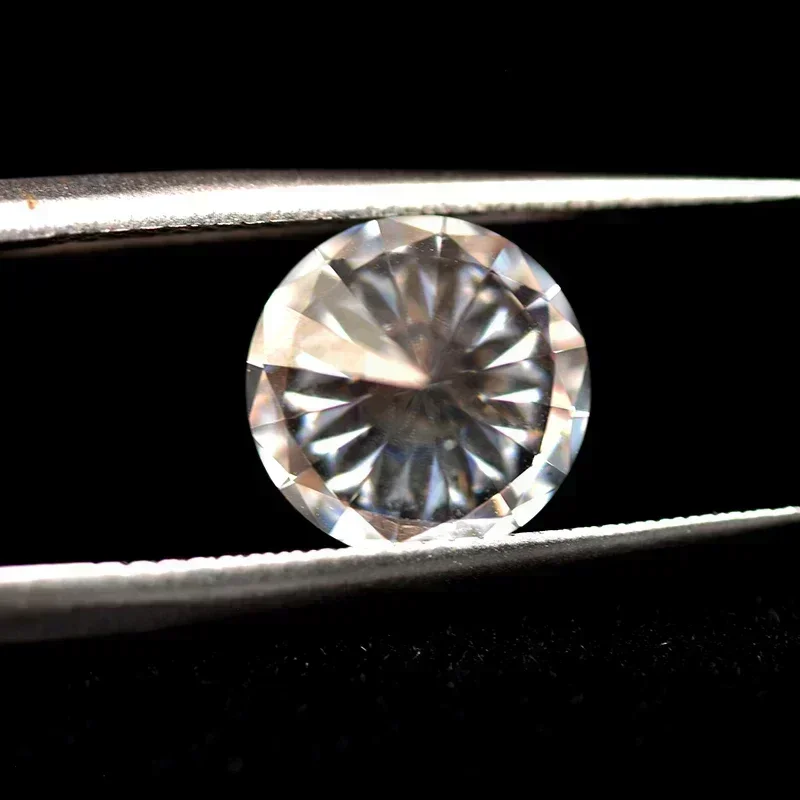
Description
- High-concerned chemical: None
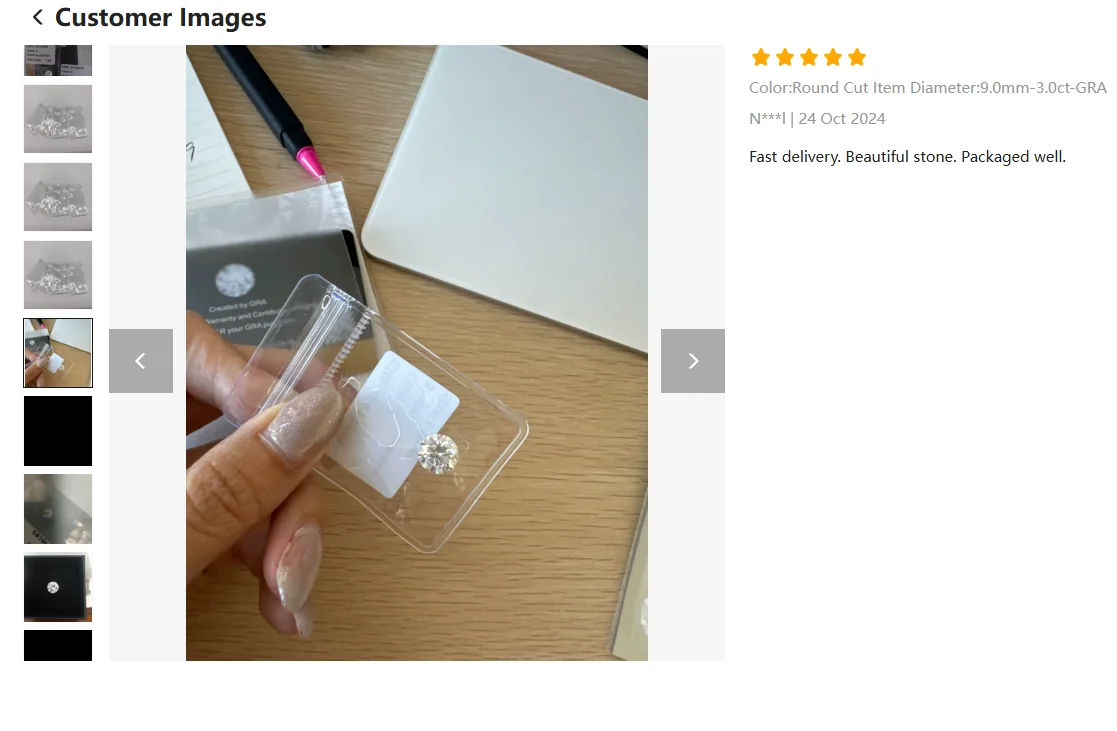
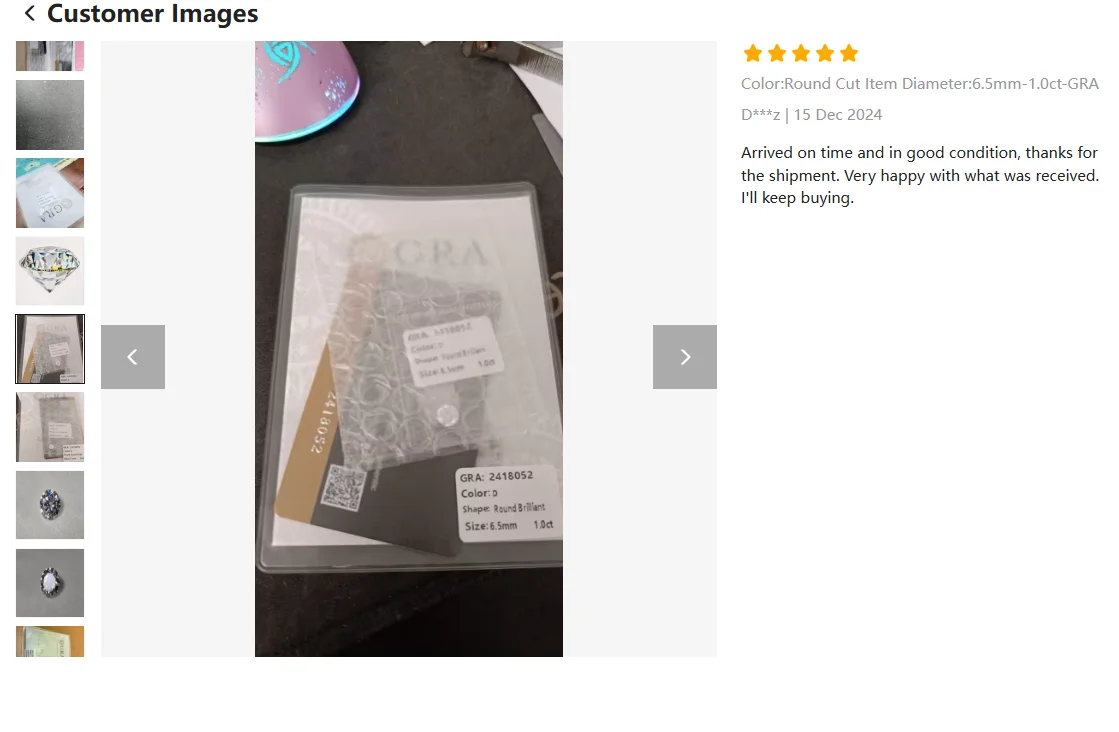
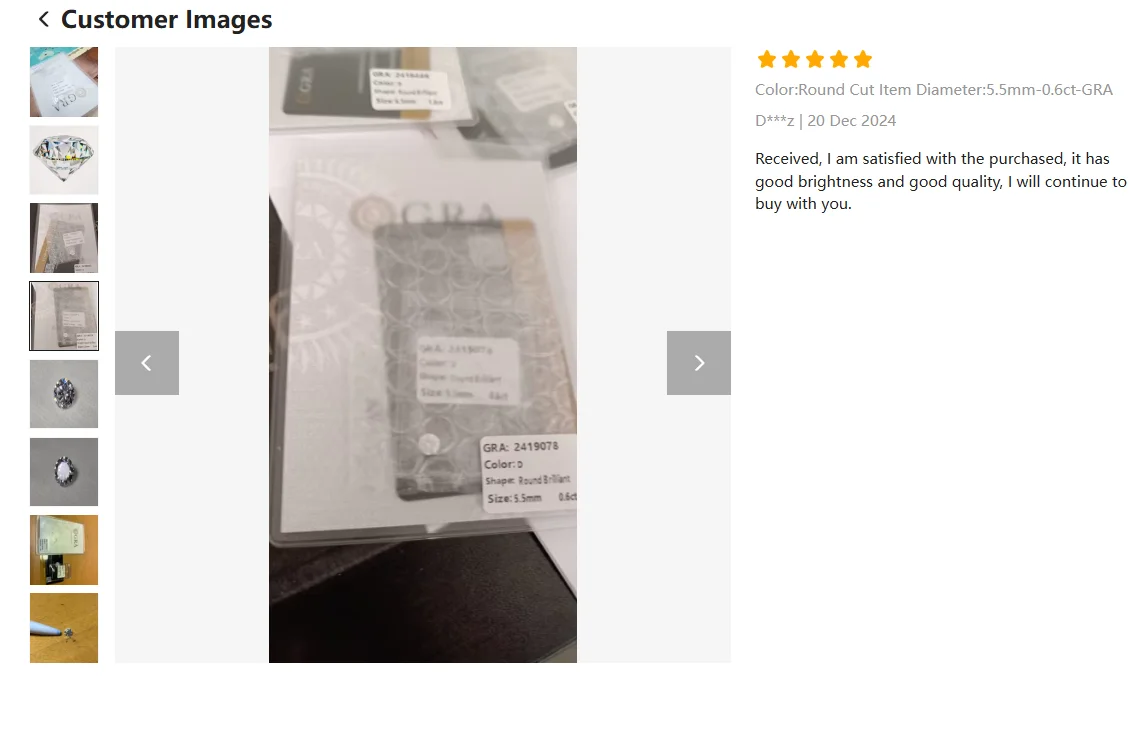
- Certificate: Yes
- Certificate Number: As Certificate Number
- Certificate Type: Third Party Appraisal
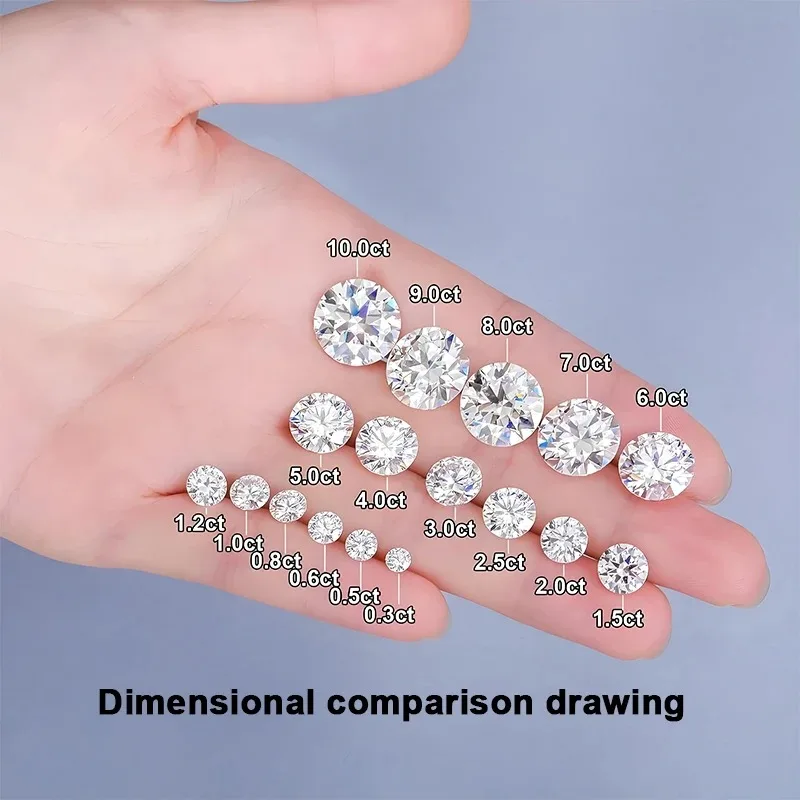
- Item Weight: 0.1-12.0ct
- Item Height: Standard
- Metals Type: None
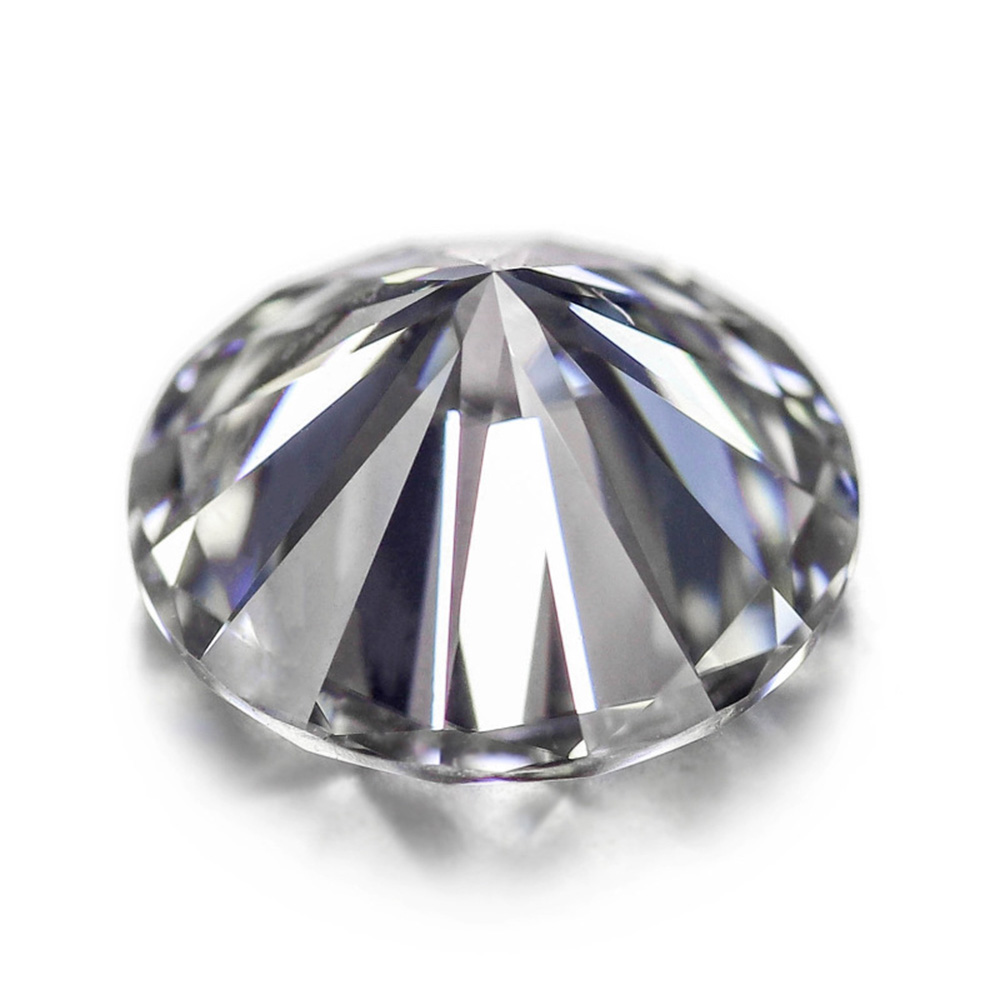
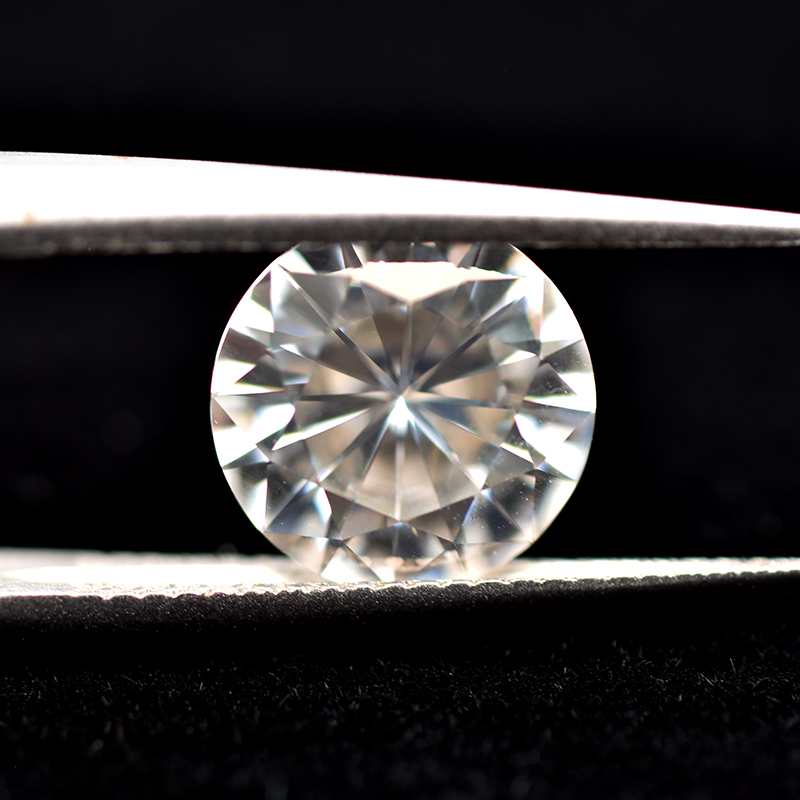
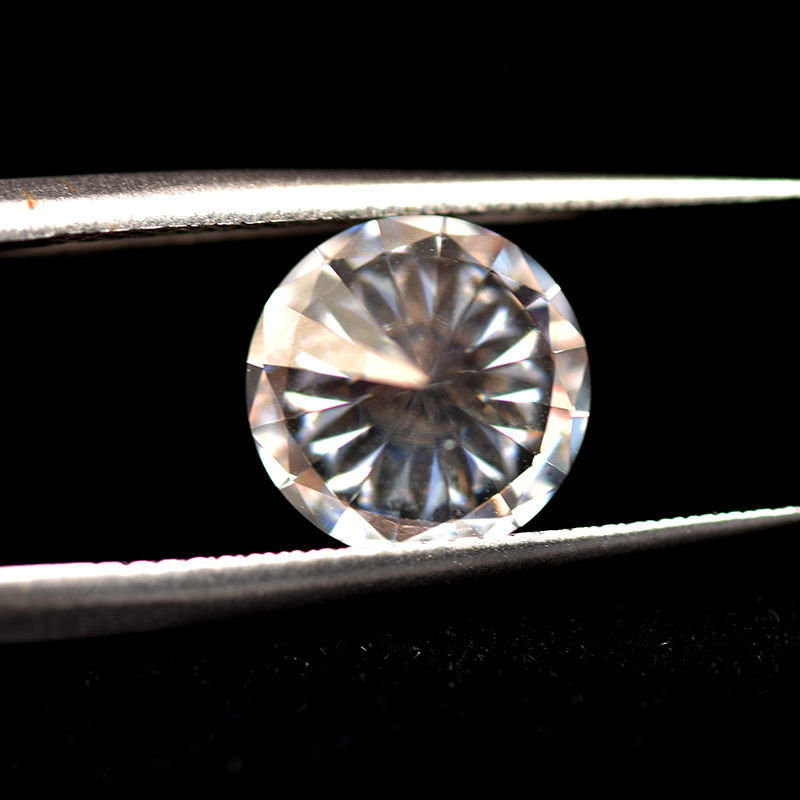
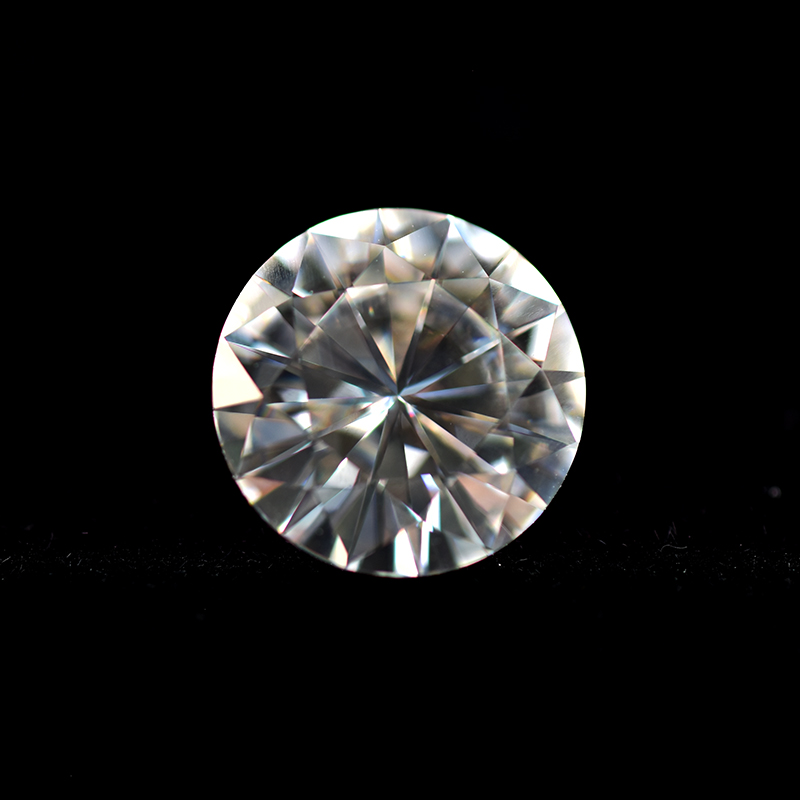
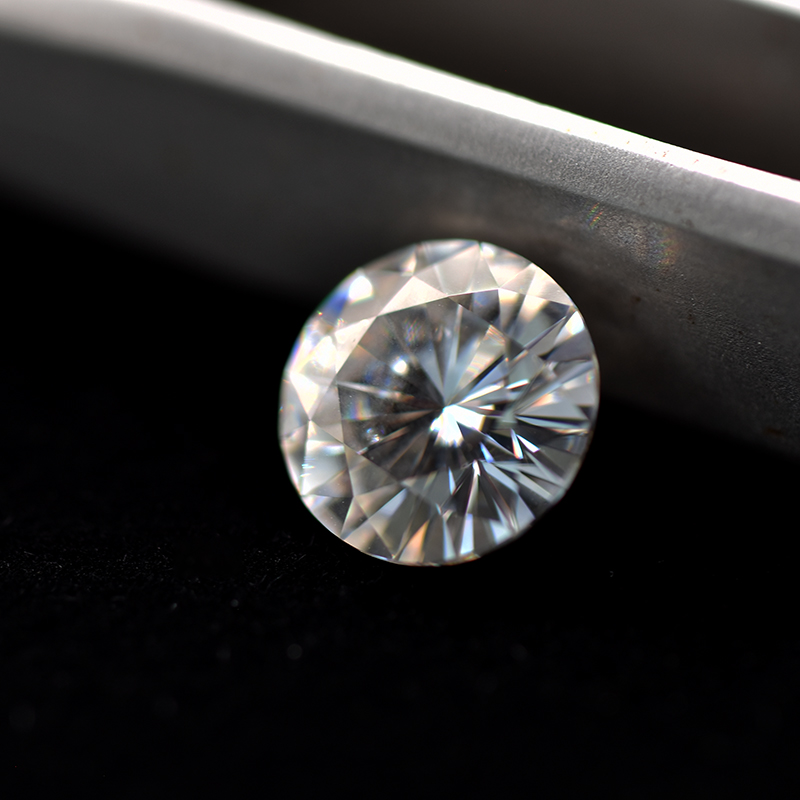
- Main Stone: Moissanite
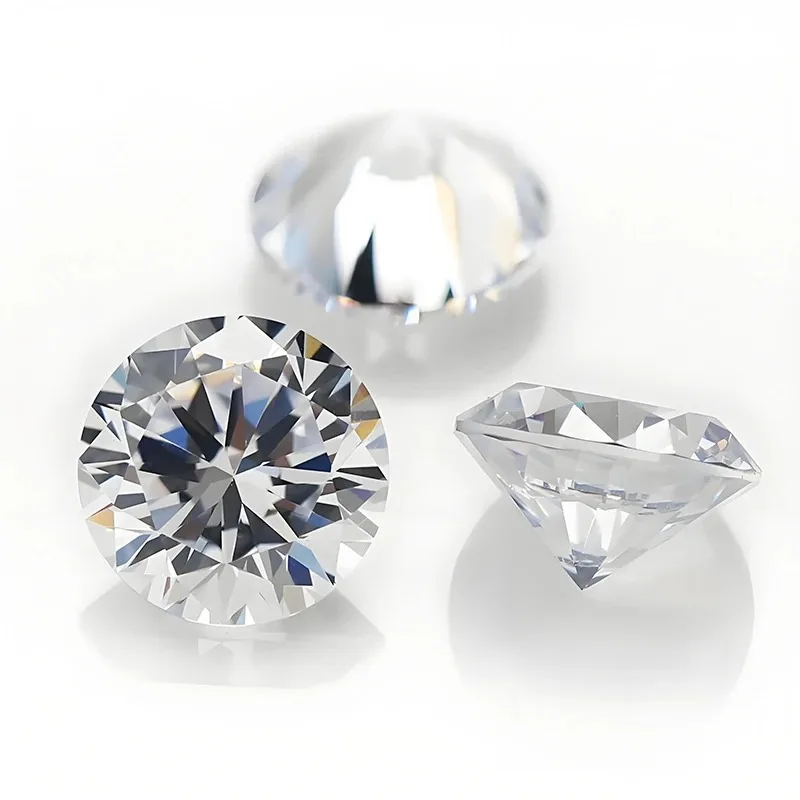
- Item Shape: Round-brilliant-shape
- Brand Name: CHAOPAIZHIWU
- Item Weight: 0.1ct-20ct
- Origin: Mainland China
- Item Type: beads
- Fine or Fashion: Fine
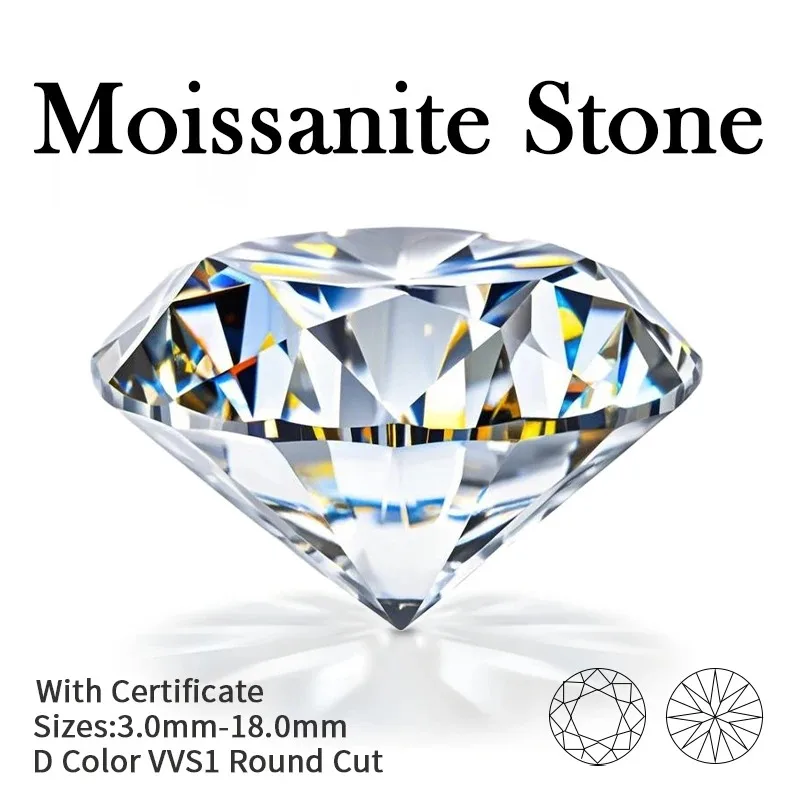
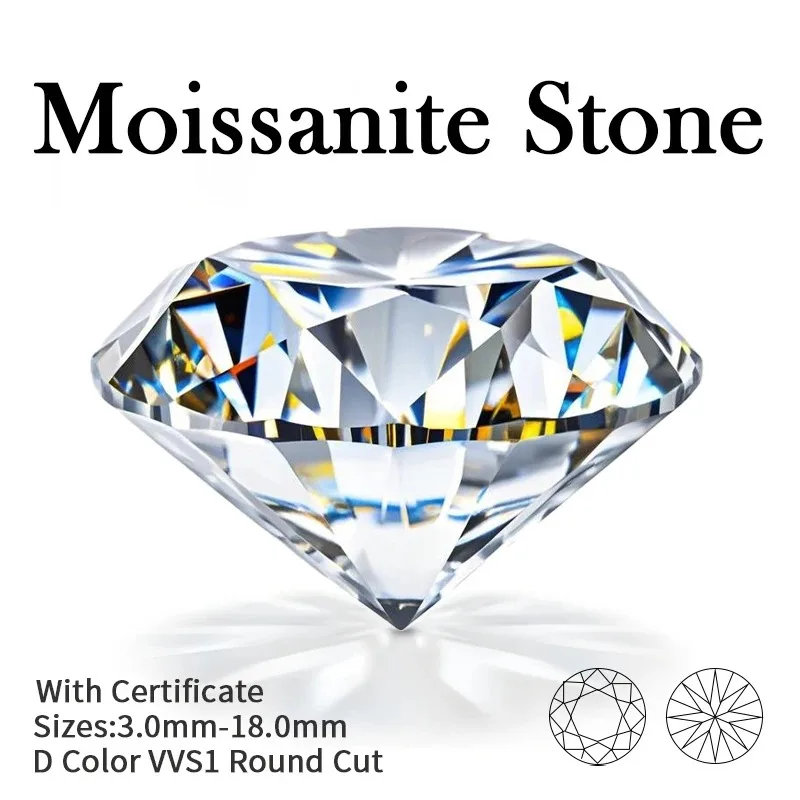
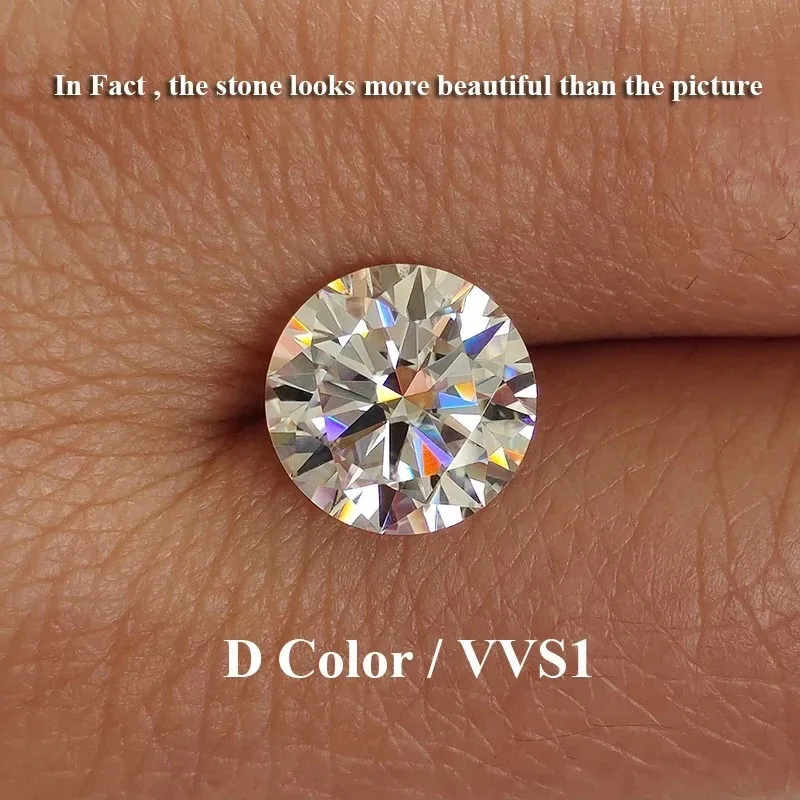
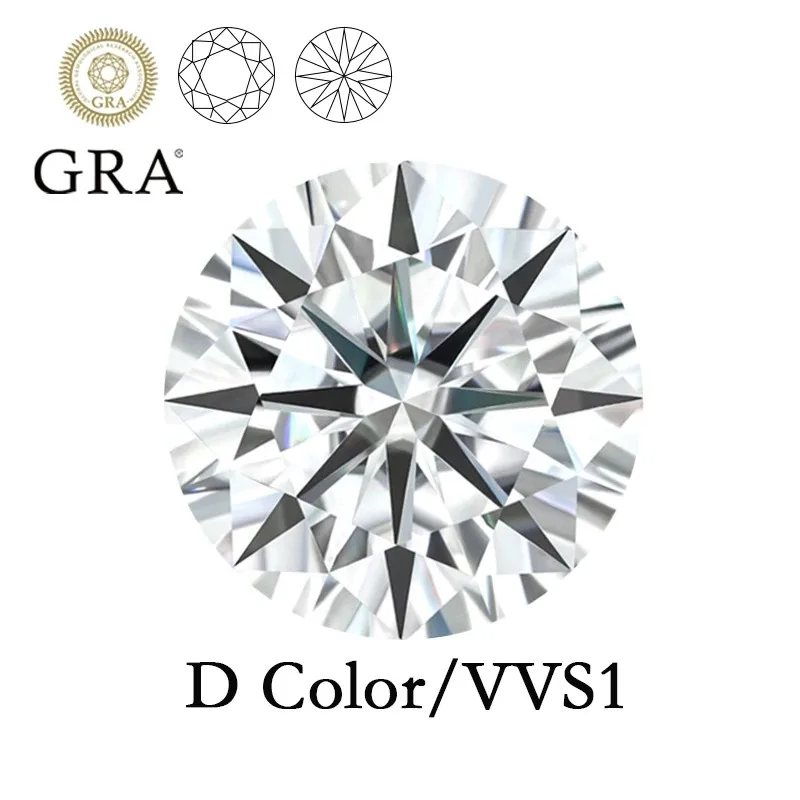
- Color: D Color
- Clarity: VVS1
- Real Moissanite: 100% moissanite stone
- Shape: Round
- Cutting: 3 Excellent
- Polish: 3 Excellent
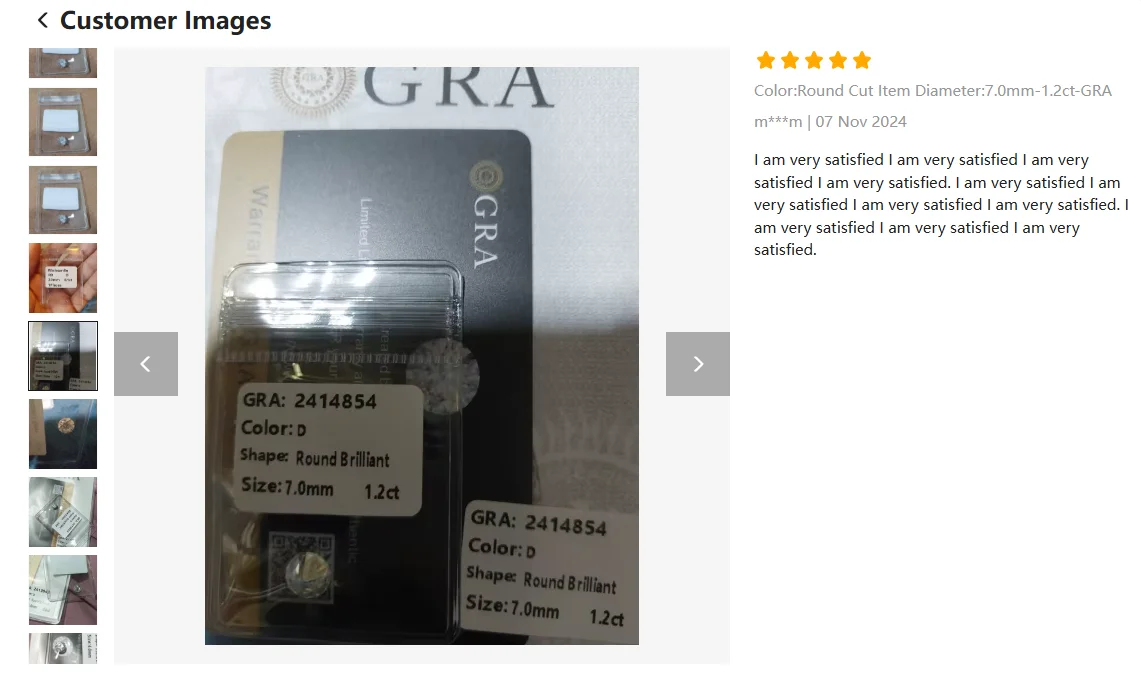
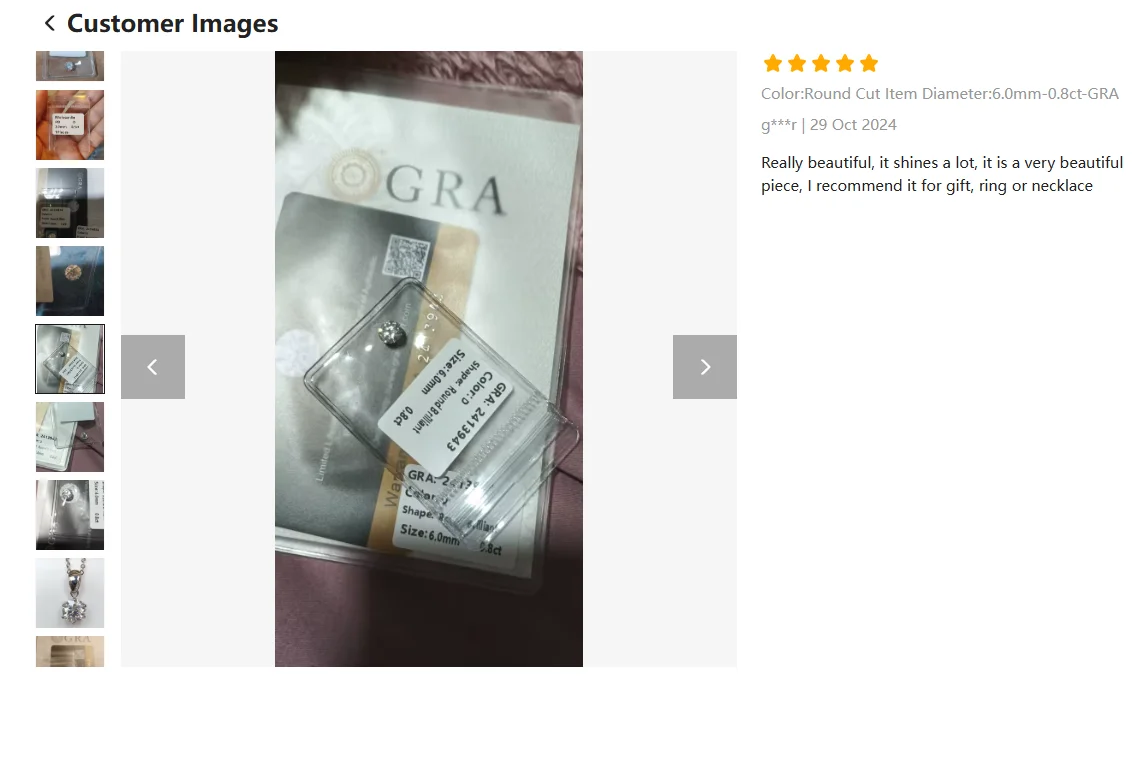
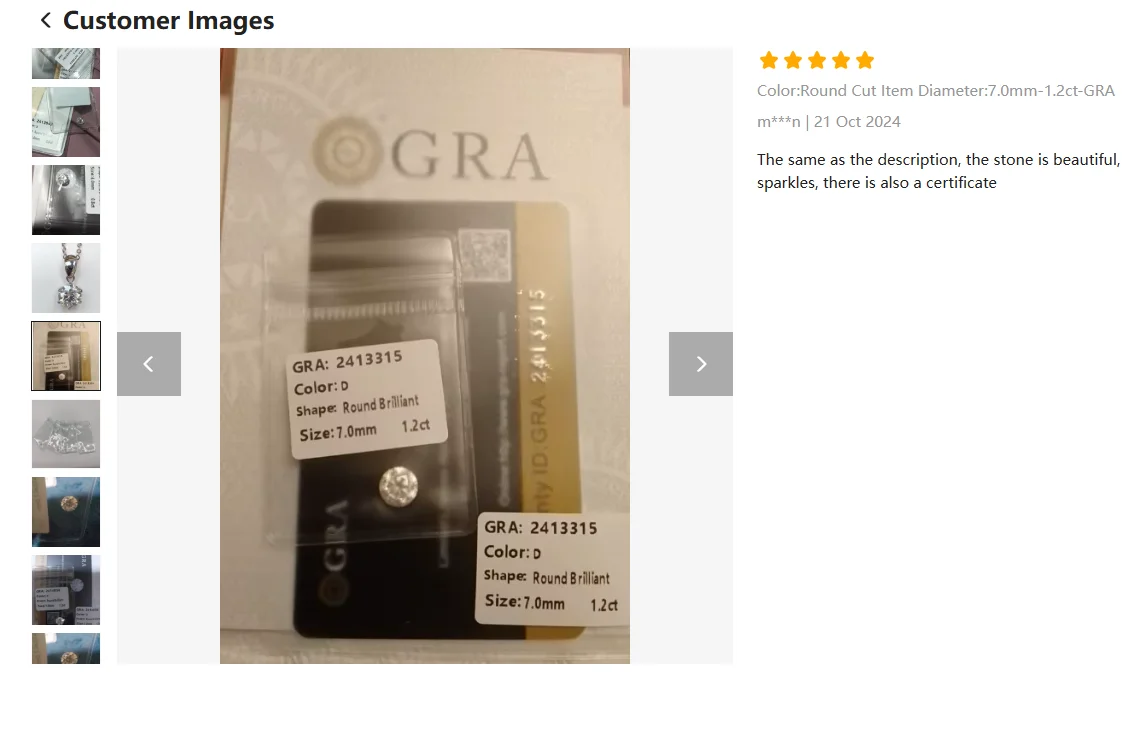
- GRA Certificate: Yes
- Stones with GRA code: Yes
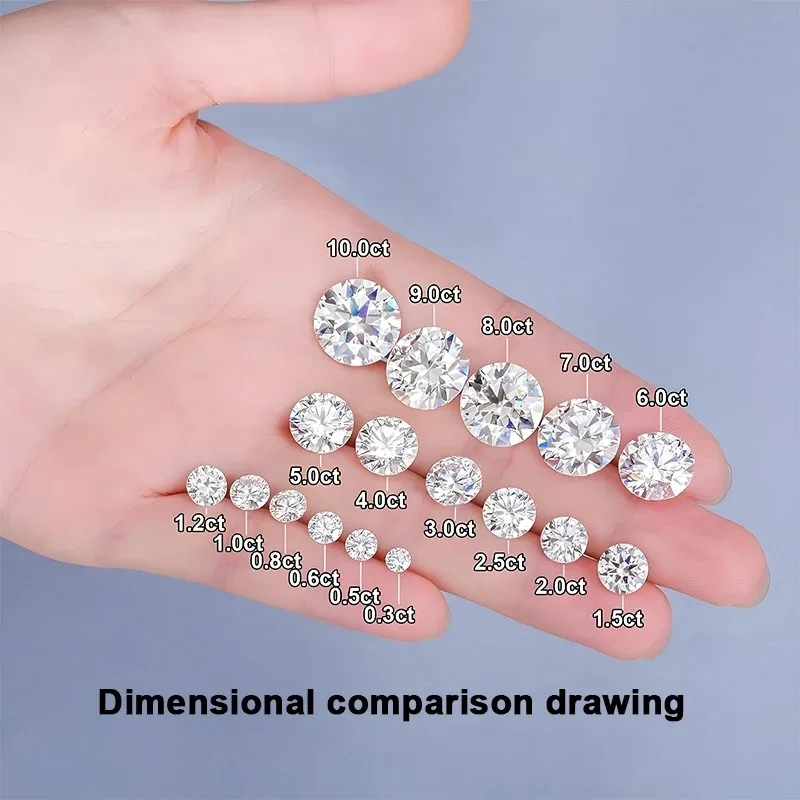
- Sizes: From 3.0mm to 15.0mm
- Carat Weight: Equal to 90% of Natural diamond
- Belongs to lab diamond: Yes
Origin
Mainland China
Authentic Certification
Comes with a third-party appraisal certificate, verifying the quality and authenticity of the moissanite stones.
High-Quality Moissanite
Crafted with premium Moissanite, ensuring unparalleled brilliance and durability for lasting jewelry pieces.
Versatile Size Range
Available from 0.1CT to 20CT, these moissanite beads cater to various jewelry designs and preferences.
Ideal for Jewelry Making
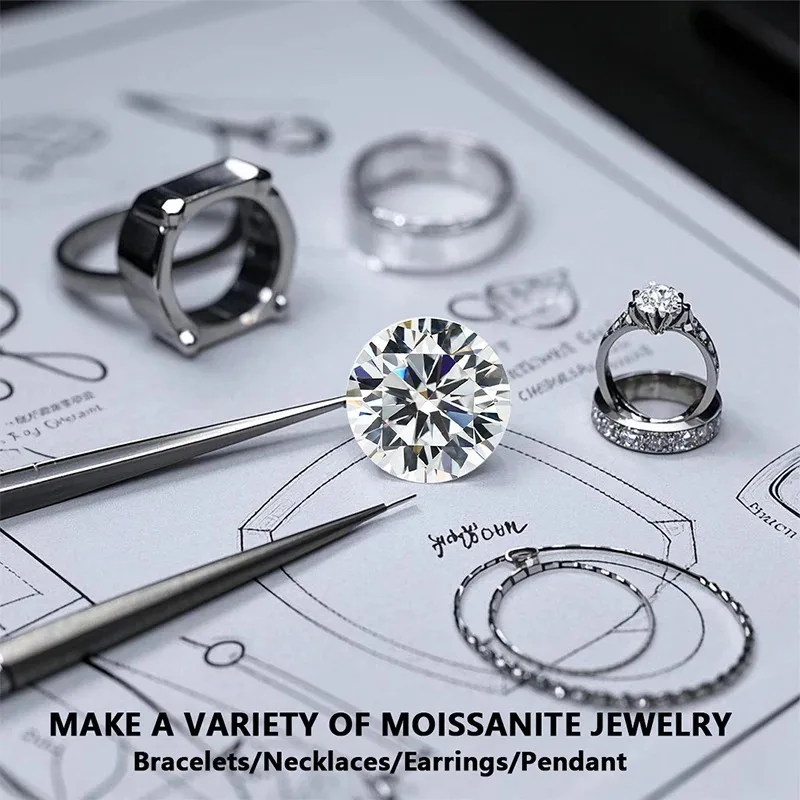
Perfect for creating exquisite jewelry gifts, these moissanite beads add a touch of elegance to any design.
Moissanite is a synthetic gemstone. Due to its highly similar physical characteristics to diamonds and significant price advantage, it has attracted much attention in the jewelry market in recent years. The following is a comprehensive analysis from scientific characteristics, market applications to cultural values to help you deeply understand the charm and potential of this "diamond substitute".
Scientific essence: The brilliant rebirth of silicon carbide
The core component of moissanite is silicon carbide (SiC). This substance was first discovered by French chemist Henri Moissan in the Arizona meteorite crater in 1893 and hence got its name. Natural moissanite is extremely rare and only exists in meteorites or deep in the mantle. The moissanite circulating in the market is all synthetic. Its crystal structure is hexagonal, and it is cultivated in the laboratory by physical vapor deposition (PVT) or chemical vapor deposition (CVD). Technological breakthroughs enable it to reach colorless and transparent or nearly colorless quality.
Key physical characteristics
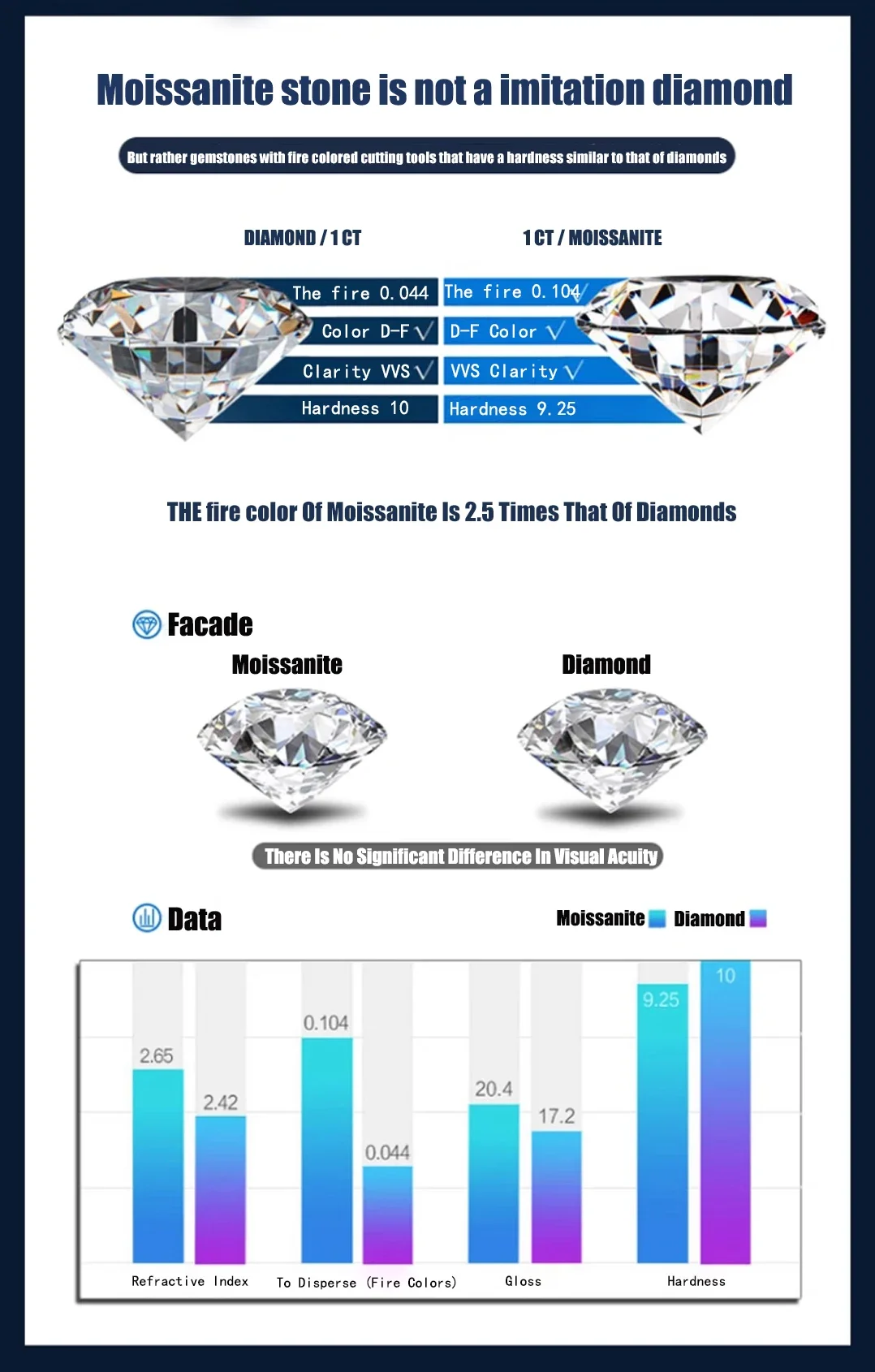
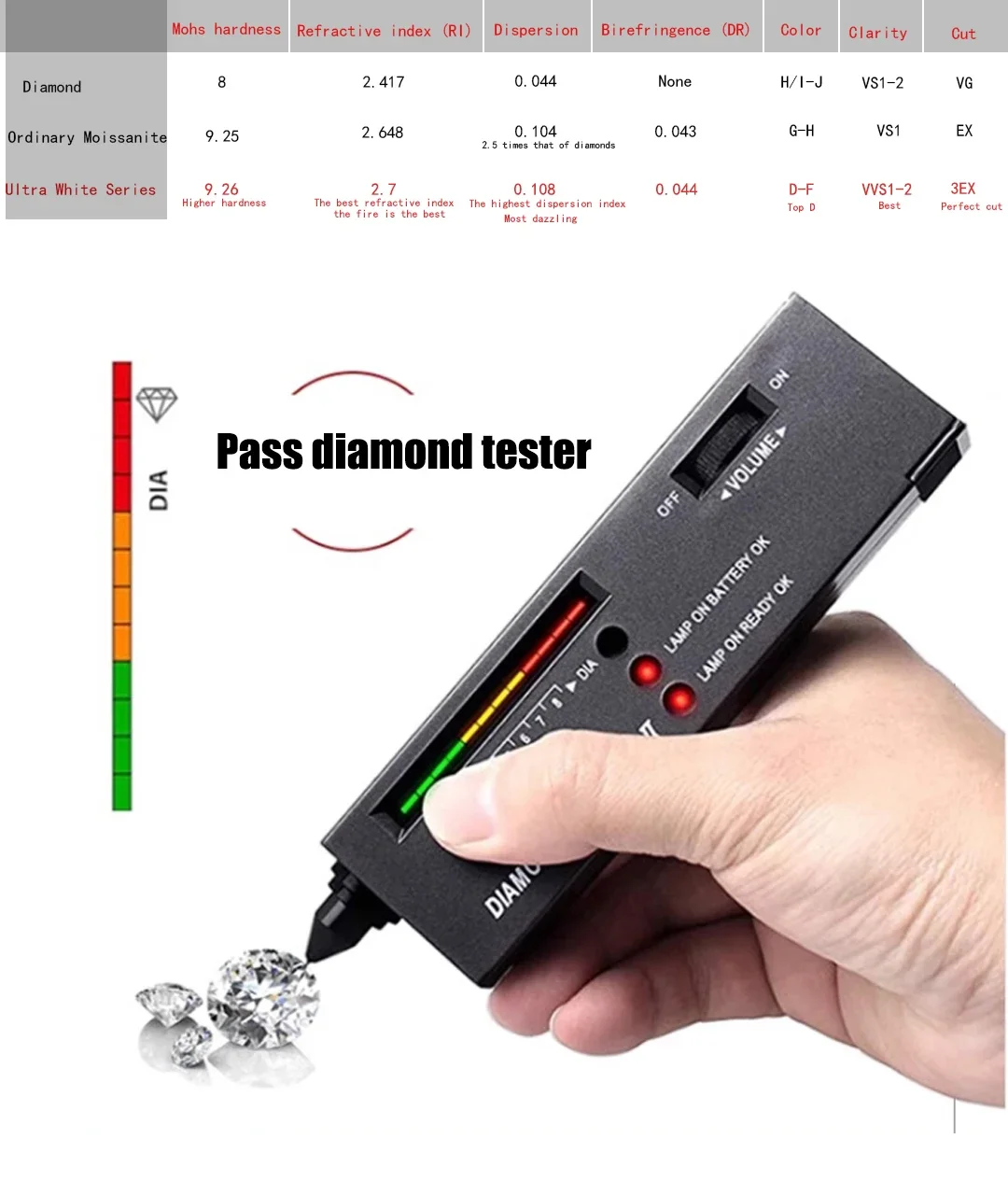
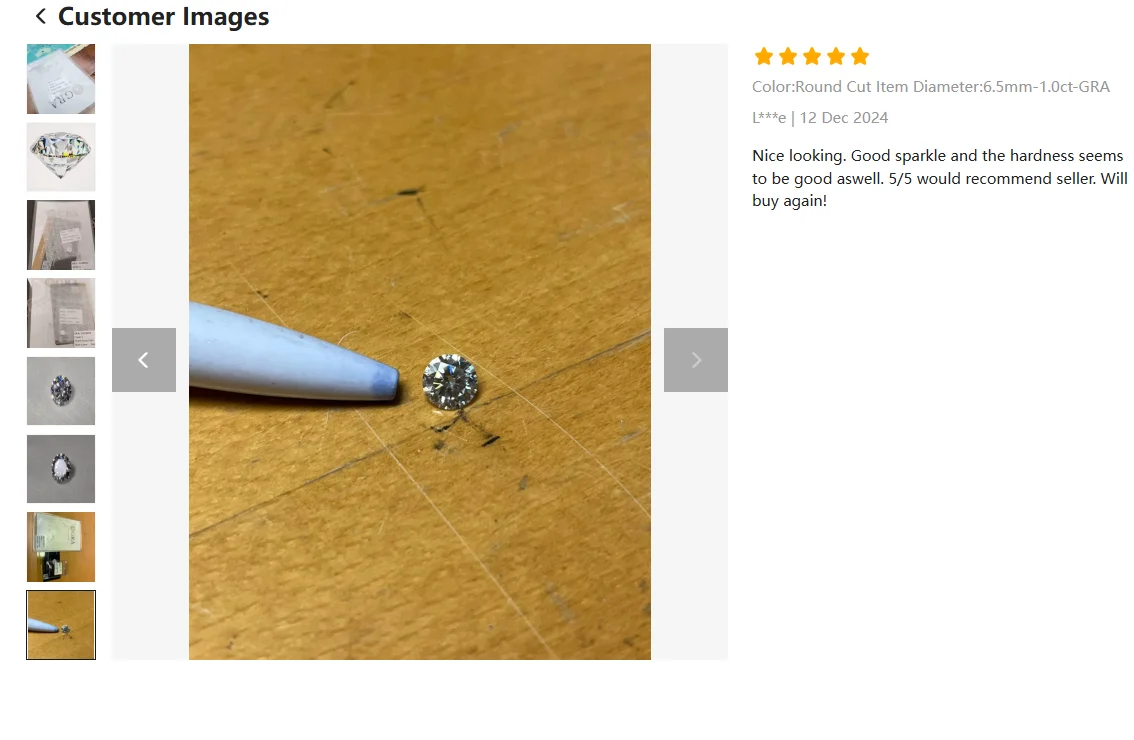
Hardness: With a Mohs hardness of 9.25, it is second only to diamond (10) and much higher than ruby (9) and sapphire (9). It is not easy to be scratched during daily wear.
Optical properties: The refractive index is 2.65-2.69 (diamond is 2.417), the dispersion value is 0.104 (diamond is 0.044), and the fire intensity is 2.5 times that of diamond, presenting a more gorgeous colorful light.
Density: 3.22g/cm³, lower than diamond (3.52g/cm³), and lighter under the same volume.
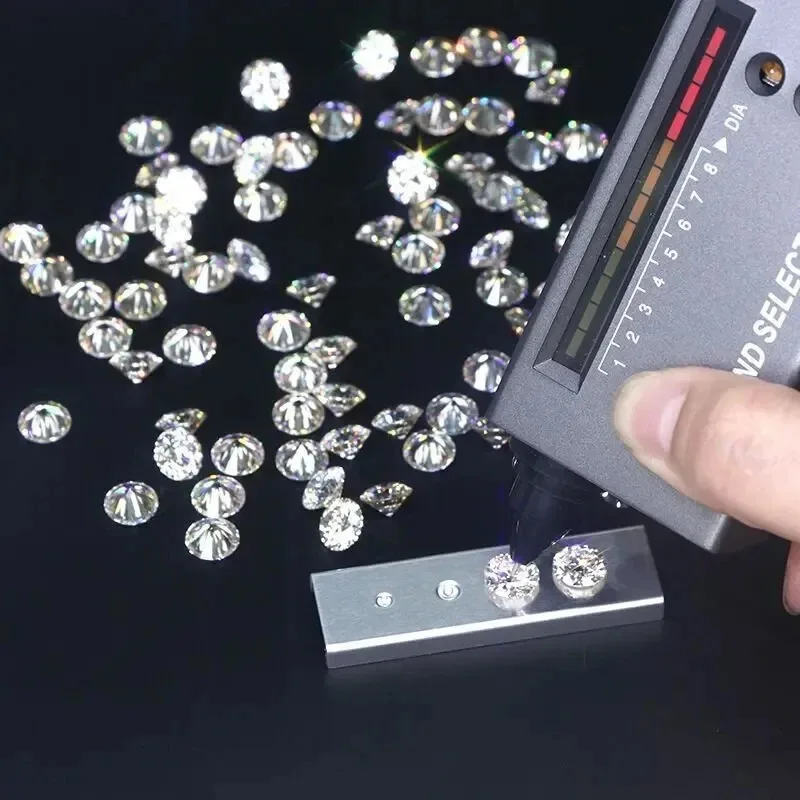
Conductivity: 80% of moissanite is conductive, while diamonds (except for blue type IIb) are usually non-conductive. This characteristic can be used for rapid identification.
Diversified applications in industry and jewelry field
Jewelry
Substitute for diamonds: Moissanite has become the first choice for consumers with limited budgets because its price is only 1/10 to 1/20 of diamonds of the same quality. It is widely used especially in scenes such as engagement rings and necklaces.
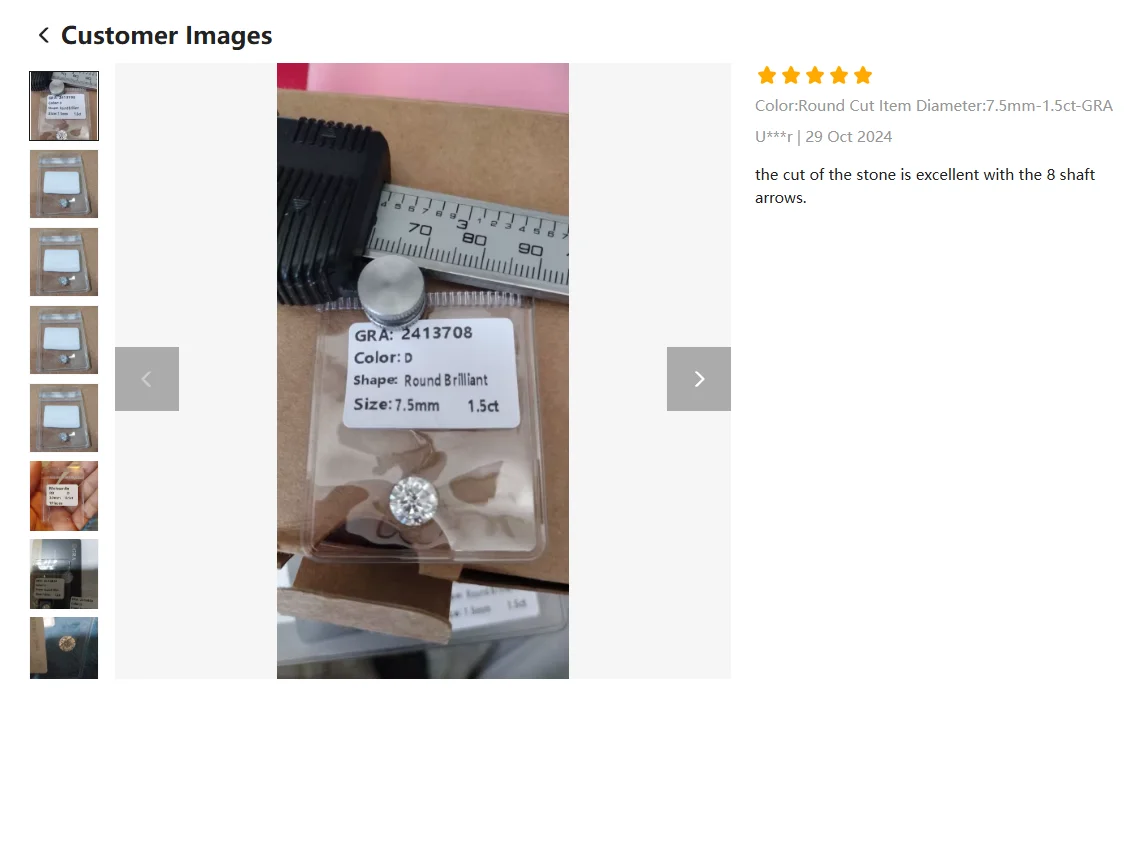
High-end product line: Top moissanite (such as "Magic Star Diamond") needs to reach D color, Belgian eight-heart and eight-arrow cut, and FL/IF clarity grade. Its fire and purity can be comparable to natural diamonds.
Quality grading
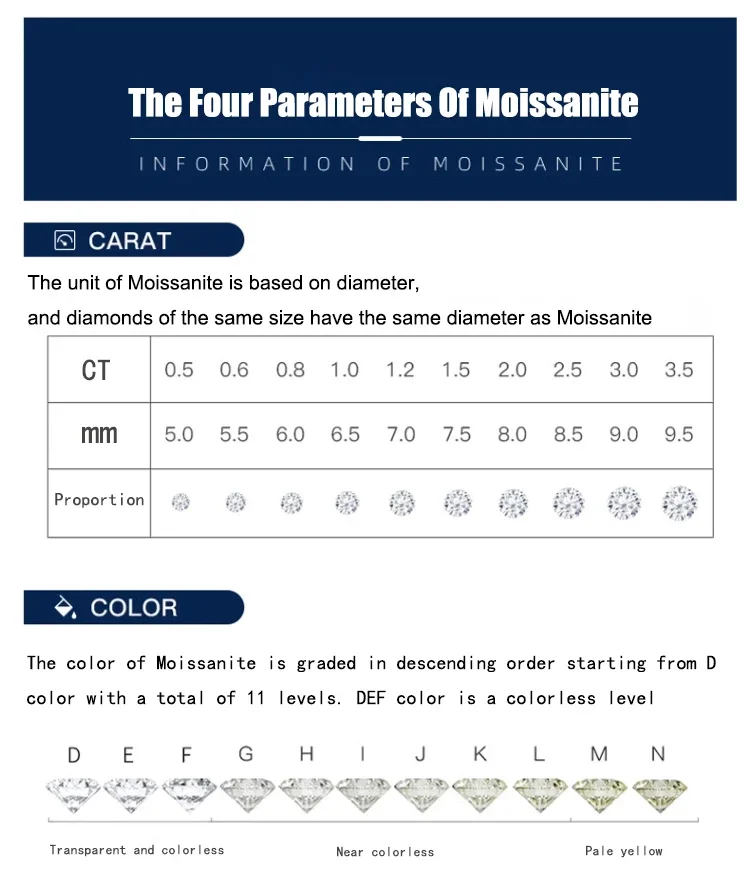
Color: According to the standard of GB/T 16554-1996, the color grades of moissanite range from D (extremely white) to N (light yellow). Top colorless moissanite can reach D color.
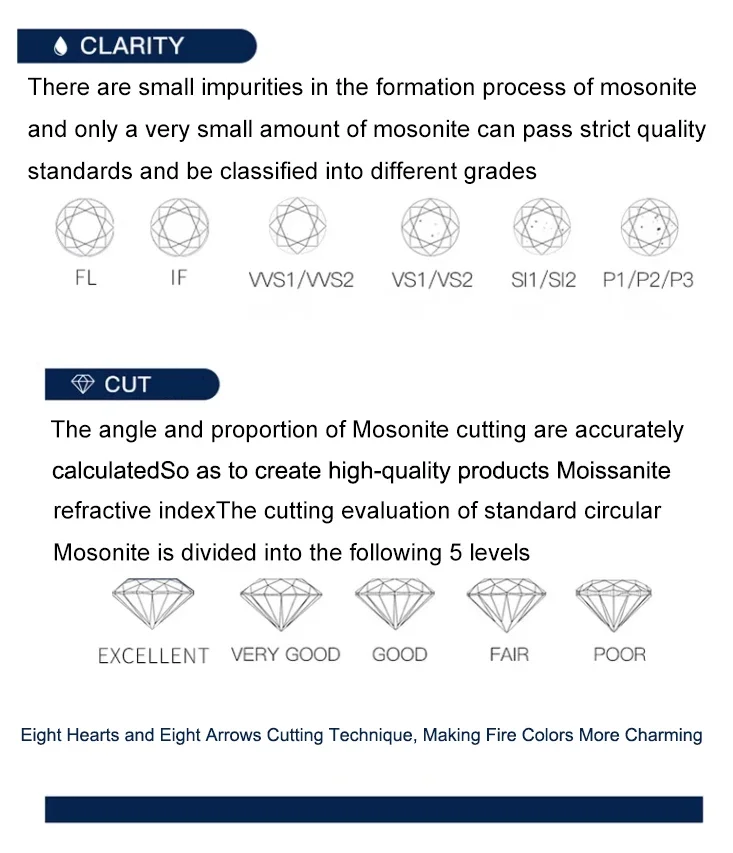
Clarity: Most synthetic moissanites are VS (slightly flawed) or SI (slightly flawed), and a few can reach IF (internally flawless).
Cut: Belgian cut and eight-heart and eight-arrow proportion are regarded as high-end standards, which can enhance the fire performance.
Scientific essence: The brilliant rebirth of silicon carbide
The core component of moissanite is silicon carbide (SiC). This substance was first discovered by French chemist Henri Moissan in the Arizona meteorite crater in 1893 and hence got its name. Natural moissanite is extremely rare and only exists in meteorites or deep in the mantle. The moissanite circulating in the market is all synthetic. Its crystal structure is hexagonal, and it is cultivated in the laboratory by physical vapor deposition (PVT) or chemical vapor deposition (CVD). Technological breakthroughs enable it to reach colorless and transparent or nearly colorless quality.
Key physical characteristics
Hardness: With a Mohs hardness of 9.25, it is second only to diamond (10) and much higher than ruby (9) and sapphire (9). It is not easy to be scratched during daily wear.
Optical properties: The refractive index is 2.65-2.69 (diamond is 2.417), the dispersion value is 0.104 (diamond is 0.044), and the fire intensity is 2.5 times that of diamond, presenting a more gorgeous colorful light.
Density: 3.22g/cm³, lower than diamond (3.52g/cm³), and lighter under the same volume.
Conductivity: 80% of moissanite is conductive, while diamonds (except for blue type IIb) are usually non-conductive. This characteristic can be used for rapid identification.
Diversified applications in industry and jewelry field
Jewelry
Substitute for diamonds: Moissanite has become the first choice for consumers with limited budgets because its price is only 1/10 to 1/20 of diamonds of the same quality. It is widely used especially in scenes such as engagement rings and necklaces.
High-end product line: Top moissanite (such as "Magic Star Diamond") needs to reach D color, Belgian eight-heart and eight-arrow cut, and FL/IF clarity grade. Its fire and purity can be comparable to natural diamonds.
Quality grading
Color: According to the standard of GB/T 16554-1996, the color grades of moissanite range from D (extremely white) to N (light yellow). Top colorless moissanite can reach D color.
Clarity: Most synthetic moissanites are VS (slightly flawed) or SI (slightly flawed), and a few can reach IF (internally flawless).
Cut: Belgian cut and eight-heart and eight-arrow proportion are regarded as high-end standards, which can enhance the fire performance.




Reviews
There are no reviews yet.